
Beyond the Headlines: Morning Squawk's Data Truth - Squawk Shockwaves
Financial Comprehensive
2025-12-02 12:46 2
Tronvault
Zepbound's "Price Cut": A Marketing Ploy in Disguise?
The Headline vs. The Fine Print Eli Lilly's announcement of a price cut for Zepbound, its weight-loss drug, sounds like good news, right? A victory for consumers struggling with obesity and the high cost of medication. Trump making deals, prices going down... It's a simple narrative. But as always, the devil is in the details, and the details are usually buried in the footnotes (or, in this case, press releases). The headline screams "lower prices," specifically, a range of $299 to $449 per month on LillyDirect, their direct-to-consumer platform. That *is* a decrease from the previous $349 to $499. But let's be clear: these are *cash* prices. This isn’t some altruistic move; it’s a strategic play within a very complex pharmaceutical market. The key here is access. This lower price point is *only* available through LillyDirect. This forces consumers to bypass traditional pharmacies and, more importantly, their insurance plans. Think of it as an end-around. Lilly gets to control the distribution and, more subtly, the data. Who is buying what dosage? What are their demographics? This information is gold in the pharmaceutical world. I've looked at hundreds of these corporate announcements, and this feels less like a genuine price reduction and more like a highly targeted marketing campaign disguised as one.Medicare's "Deal": Wheels Sold Separately?
Medicare Enters the Fray Then there's the Medicare angle. The announcement also touts that Medicare will cover GLP-1 drugs for obesity starting in mid-2026, with potential out-of-pocket costs ranging from $50 to $350 per month. That sounds fantastic. But let's not forget the list prices of these medications can reach $1,350 *before* insurance. The discrepancy between the list price and the potential out-of-pocket cost raises a few questions. Who is absorbing the difference? Is it the government? Is it the insurance companies? Or is it, ultimately, the taxpayer? And what kind of restrictions will Medicare place on coverage? Will it be available to everyone, or only those with specific BMIs and co-morbidities? These "deals" announced by Trump are often more about optics than actual, sustainable cost reductions. They create the illusion of affordability while shifting the financial burden elsewhere. It’s like saying you lowered the price of a car by removing the wheels and selling them separately. Sure, the sticker price is lower, but is it really a better deal for the consumer? And this is the part that I find genuinely puzzling: why now? Why this sudden push for affordability, especially when demand for these drugs is skyrocketing? Is Lilly anticipating increased competition? Are they facing pressure from regulators? Or is this simply a preemptive PR move to deflect criticism about the high cost of prescription drugs? As reported by Musk's $1 trillion pay, a price cut for obesity drugs, Target's in-store woes and more in Morning Squawk - CNBC, the price cut has been a major topic of discussion. A Facade of Affordability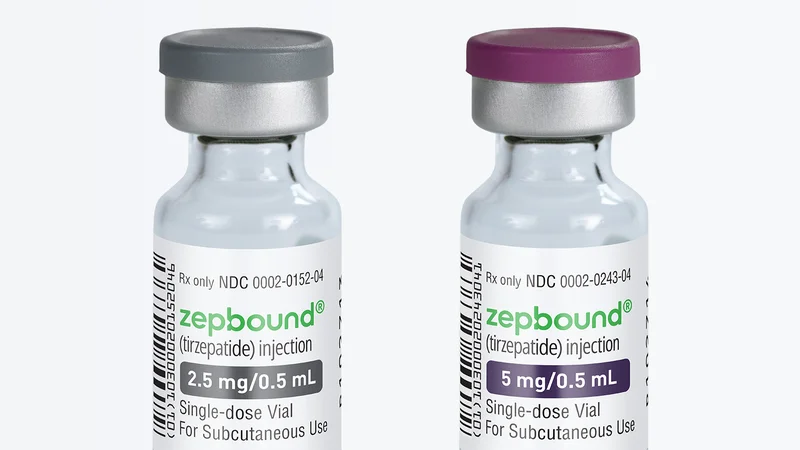
Tags: Eli Lilly's price cut Thanksgiving box office trouble for gravestone makers and more in Morning Squawk
Previous Post
Crypto Payroll: Innovation or Just More Speculation? - Redditors Are Hyped
Next PostBitcoin's Fall: The Future's Foundation (RIP My Portfolio)
Related Articles